BossBytex Netherlands Insights: Navigating Financial Trends and Investment Innovation
The Dutch Financial Landscape: A Hub for Innovation
The Netherlands stands as a European nexus for financial technology and progressive economic policy. Its robust infrastructure, high digital literacy, and regulatory foresight create a unique environment where new financial models are tested and scaled. Firms operating here, like BossBytex Netherlands, gain a frontline perspective on shifts that later impact global markets.
This position allows for early observation of trends such as the rapid adoption of open banking, the integration of ESG (Environmental, Social, Governance) criteria into mainstream investing, and the rise of institutional interest in digital assets. The Dutch market often acts as a leading indicator for broader European financial movements.
Dominant Financial Trends Shaping Investment
Several key movements are currently redefining investment strategies. Sustainable finance has moved beyond a niche, becoming a core component of risk assessment and long-term value creation. Investors are increasingly allocating capital to projects and companies with verifiable positive impact.
The Data-Driven Shift
Investment decisions are now heavily augmented by big data analytics and AI. This enables more precise market forecasting, personalized portfolio management, and real-time risk monitoring, moving beyond traditional fundamental analysis alone.
Another significant trend is the democratization of investing through fintech platforms, offering retail investors access to asset classes and strategies once reserved for institutions. This shift increases market participation but also underscores the need for robust financial education.
Innovation in Investment Approaches
Innovation is not just in what to invest in, but how to invest. Thematic investing focuses on long-term structural changes, such as aging populations or cybersecurity, rather than specific sectors or geographies. This approach seeks to capture growth from pervasive, global megatrends.
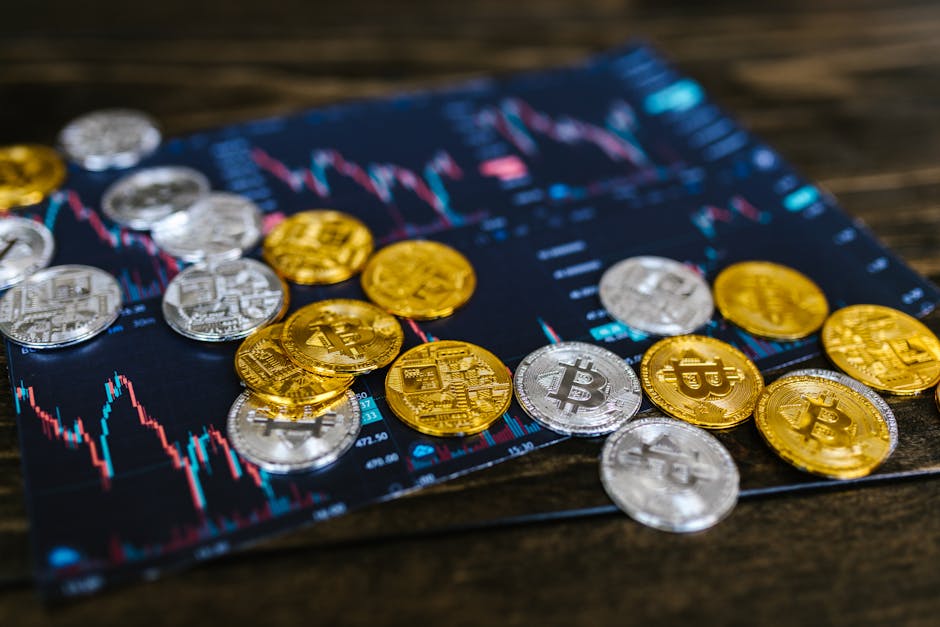
Furthermore, the emergence of Decentralized Finance (DeFi) and tokenized assets presents a new paradigm. While volatile, the underlying blockchain technology offers potential for increased transparency, reduced intermediation, and the creation of entirely new financial instruments.
Portfolio Construction Evolves
Modern portfolios are becoming more dynamic and adaptive. Using algorithms and defined rules, strategies can automatically rebalance or hedge based on market conditions, aiming to manage volatility more systematically than static, traditional models.
FAQ:
What makes the Netherlands a special environment for financial innovation?
Its advanced digital infrastructure, pragmatic regulatory approach, and concentration of fintech talent create a fertile testing ground for new financial models and technologies.
How is sustainable finance changing investment?
It’s becoming integral, not optional. Investors now assess ESG factors as core financial indicators, influencing capital flows towards companies with sustainable practices and clear impact metrics.
What is thematic investing?
It’s a strategy focusing on long-term global trends (e.g., digital transformation, clean energy) that cut across industries, aiming to capture growth from fundamental shifts in how the world operates.
Are DeFi and digital assets considered serious investments now?
While highly speculative, they are taken seriously as an innovative asset class. Institutional involvement is growing, focusing on infrastructure, regulation, and the potential of blockchain technology itself.
Reviews
M. van Dijk
The analysis on ESG integration was particularly sharp. It clarified how sustainability is now a performance factor, not just an ethical choice.
Alex Chen
Useful breakdown of thematic vs. sector investing. Helped me reframe my long-term portfolio strategy around concrete trends.
Sophie R.
Appreciated the balanced take on DeFi—acknowledging the innovation while highlighting the risks and regulatory journey ahead.